Three Types of Hunger. Which one is your Achilles heel?

Have you ever gone on a diet, only to quit because you were starving?
In the beginning, you might have been able to distract yourself from hunger pangs by imagining a future, thinner you, but eventually the hunger probably got the best of you. You gave in and ate more than you would have before the diet began.
What if I told you this isn't a willpower problem, it's your body's normal response to calorie restriction? Hunger plays a powerful role in survival, which no amount of willpower or discipline can overcome. The key to sustainable weight loss is understanding what's actually driving your hunger, and addressing it at the root.
A recent book by Dr. Jason Fung offers a very clear explanation of why weight gain isn't a calorie problem; it's a hunger problem.
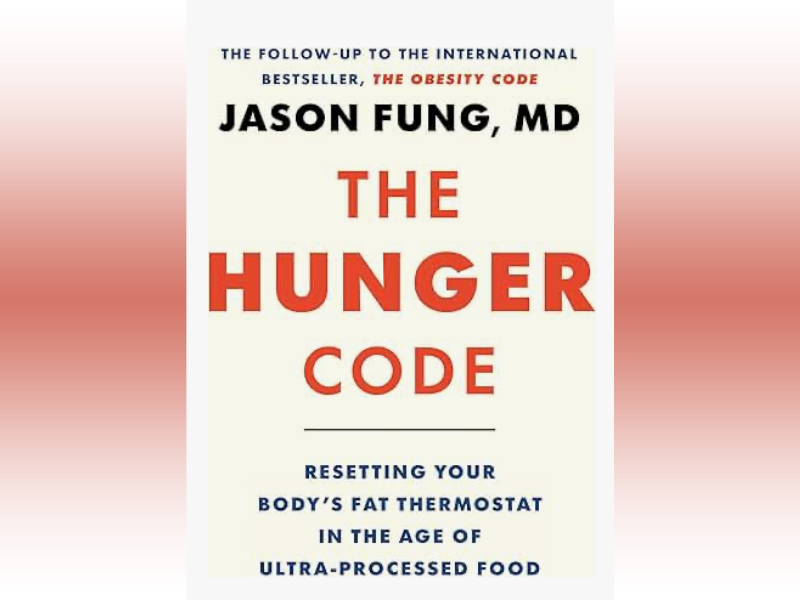
Three Types of Hunger and Strategies to Address Them
In The Hunger Code, Fung describes three types of hunger. I use different names, but when I work with clients, I teach them how to recognize what type of hunger they are experiencing so we can choose the right strategy to address it.
1. Homeostatic Hunger; I call this true hunger
Back in the day, when we were hunting on the savannah, homeostatic hunger motivated us to seek food to survive. Homeostatic hunger kept our weight perfectly balanced so that we were strong enough to gather and catch food, but not so big or small that our body size got in the way.
Today, our true hunger signals have been clouded by too much food available 24x7 — especially unnatural ultra-processed food.
If your blood sugar is balanced, you should be able to go from breakfast to lunch without a snack. If you can't, you might need more food in the morning. That's right. Sometimes I tell my clients they need to eat more!
Read more about the myth of frequent snacking in Snack Every 2 hours to Boost Your Metabolism.
2. Hedonic Hunger; I call this emotional hunger
Almost everyone occasionally eats because of how they're feeling, rather than because they're hungry. For some people, this happens a lot and derails attempts to change their diet.
The key to addressing emotional hunger is to identify it. I encourage my clients to record their hunger level and mood before eating. It's usually pretty easy to recognize when you're not really hungry but frustrated, bored, or lonely.
After identifying the emotion, we brainstorm different ways to address it. If you're lonely, would calling a friend help? Angry? Journal about it. These client-specific strategies become part of the plan.
3. Conditioned Hunger; I call this habitual or social hunger
From snacks after little league practice, to donuts at the team meeting, to popcorn at the movies, food is woven into every aspect of our modern life. These rituals establish traditions and connections, but they can also be really difficult for someone who is trying to change their eating habits.
I help clients develop very specific strategies to address these situations. It can be as simple as throwing out all the junk food at home so it isn't there to tempt you. Or eat before going to a party; bring a small portion of nuts to the movie; say no thank you to dessert in a way that still celebrates the birthday.
The Hunger-Insulin Resistance Connection
Addressing hunger patterns is often one of the most important things I work on with my clients. Hunger and insulin resistance are closely connected. Insulin resistance drives blood sugar swings, which intensify cravings and make emotional and habitual eating harder to manage.
Stabilizing blood sugar is the first step in separating true hunger from eating for other reasons, so we usually start there.
If you're ready to understand how your hunger, blood sugar, and metabolism are connected — and what to do about it — a free strategy call is a good place to start.